

Laura Middleton-Hughes, 38, joint founder of Secondary Sisters, an Instagram advocacy group for younger women with secondary breast cancer, was first diagnosed with breast cancer at the age of 25, and secondary breast cancer 2.5 years later.
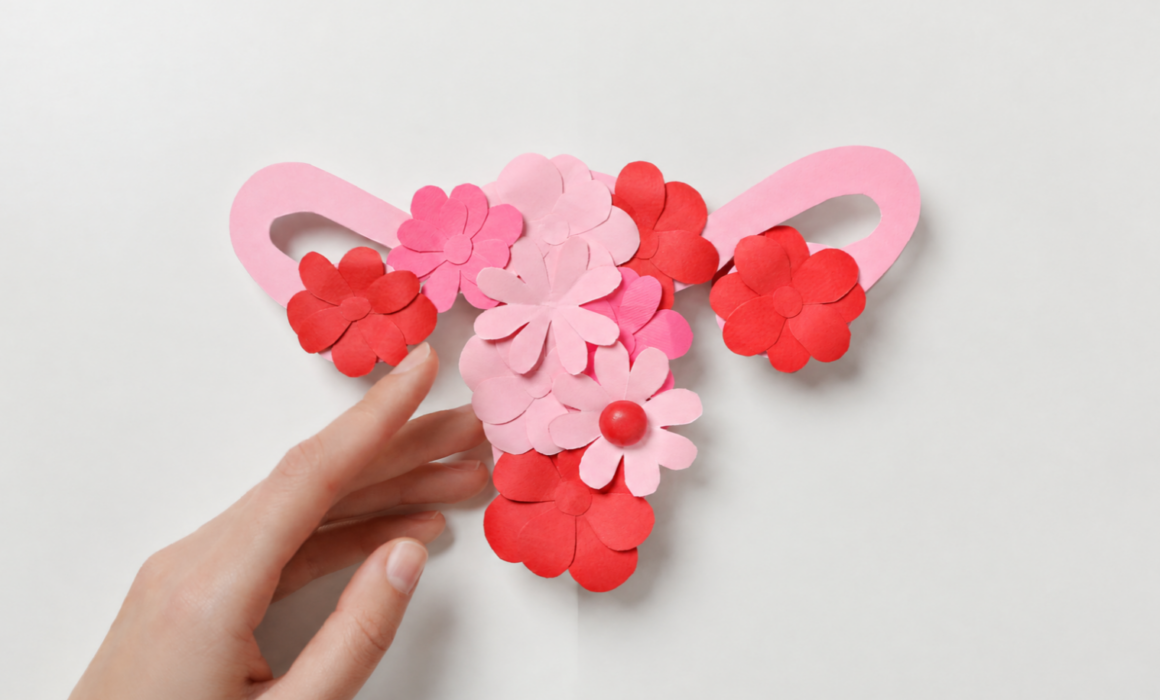
I think people are surprised when I say one of the hardest things about having breast cancer so young is not being able to have kids, when I have a diagnosis like mine, but I’ve really struggled with it.
When I was diagnosed with primary breast cancer in 2014 , my oncology team said although I had an aggressive type of breast cancer, they were quite certain that my fertility would come back after my treatment. The message I picked up was that they needed to crack on with treatment, and freezing my eggs would be too risky as my cancer was 8/8 oestrogen positive – I think they just wanted to make sure I was okay, that was the priority and I was very grateful for it at the time. But looking back now, I wish I’d had more of a discussion about what options were.
My periods did come back after my treatment, so I was put on a 4 weekly implant injection which shuts down my ovaries and stops them producing oestrogen. Then I was diagnosed with secondary breast cancer and fertility preservation was then out of the question. I was never given a timeframe for how long I might survive, but the drug I was prescribed was fairly new on the scene and had an average lifespan of about 18 months at the time, and another I had to take kept me in permanent menopause. Luckily, that combination of drugs has continued to work for me and I’m still here 10 years later, which is amazing. At the time though I thought I might have two or three years at most.
But in my mind maybe if my eggs had been harvested when I just had primary breast cancer, I could have used them with a surrogate.
‘I’ve aways been maternal’
I’d always wanted to be a mum from a young age, I saw that as my future, I was very maternal and loved children. I grew up in a house with three sisters, and I wanted a family life like that. My partner and I had been discussing how much we wanted children just before I found the first lump, we had definitely wanted them and quite soon.
After my secondary diagnosis I mourned everything I’d lost – including my career as a hairdresser as I lost the use of my right arm because of all the operations I had to have. My fertility was part of that and was probably the hardest aspect because I was also at the age when all my friends were starting to have babies. I found out my best friend was pregnant literally days before my shoulder operation (I needed a full shoulder replacement after my secondary breast cancer was diagnosed). I was happy for her of course but if I’m honest it was hard. I also didn’t know how I would feel when my friends’ or sisters’ children were born – would I resent them?
Even now 10 years later I wouldn’t say it’s easy to hear that another friend is pregnant. I’m happy for them of course, but it’s bittersweet. I still get that emotional twang and then I feel guilty about feeling like that. It’s always there that grief of what might have been.
Other ways to become a parent.
I did think about egg donation and surrogacy at one point, but my partner said as much as he’d love to have children, he didn’t want to end up a single dad after losing me and dealing with that grief, and if we did ideally we would have liked them to be biologically ours. At that time, we only thought I may only have a couple of years. It would also have taken a lot of time and also be hugely expensive.
There were some difficult conversations, it was all quite hard to swallow, in one way I felt he was standing in the way of me pursuing this fantasy to have a family and live out my dreams, but equally I respected the fact that I couldn’t push this because it wasn’t me that might be the one left to look after them, it would have been very challenging for him. We got through it all though.
Being a cool auntie.
Somewhere along the way though I realised children could still be a big part of my life too. I thought well, if I can’t be a mum I’ll be the best auntie to all these wonderful children that have come into my life.
I’ve managed to build really strong relationships with my two nieces and nephew and my friends’ children too. I’m always Auntie Laura and I’ll do sleepovers with them and fun things. My sisters give me their children to look after for a few days at a time quite regularly, and it’s lovely to be trusted to be their guardian and it helps fill a hole in me.
I’m also a godmother and honorary godmother to several other children and it’s been a joy to be part of their lives too.
I do feel sad that I might not be here to see my nieces and nephew grow up, but I’ve already witnessed the two older ones start school, and these were milestones I didn’t think I’d ever see. Every year I make them each a little photo album with pictures of us doing things together, as I don’t to be the sort of auntie they forget about.
Other things that have helped me.
I also have my two dogs to soak up some of my maternal feelings too, and I have my ‘living list’ of things I want to do. I’ve had amazing spa days, holidays in the Maldives, watched the Grand Prix in Monaco, become a patient advocate ,and presented the weather on local TV. I don’t put off things and always make sure I have something to look forward to.
I can also appreciate some of the benefits of not having children too- I get to be the cool auntie while their mums get the screaming kids and them not behaving.
Talking about not having children with other women I’ve met through Secondary Sisters has really helped me a lot. You realise others feel the same and then don’t feel so alone. Some are young like me with no children, others have one child but would have liked more, some are older and hadn’t got round to having children and now can’t. Secondary Sisters runs a meet up event at Future Dreams House every year and if you walked in and didn’t know why we were all there you’d think you’d walked into a party, because we’re all laughing and smiling and having a great time because we’re in a community where we can just be ourselves.’
Breast cancer support: book classes, therapies and workshops
In-person or online, wherever you are in the UK. Future Dreams offers a wide variety of group and individual support for women at any stage of a breast cancer journey.
The information and content provided in all guest articles is intended for information and educational purposes only and is not intended to substitute for professional medical advice. It is important that all personalised care decisions should be made by your medical team. Please contact your medical team for advice on anything covered in this article and/or in relation to your personal situation. Please note that unless otherwise stated, Future Dreams has no affiliation to the guest author of this article and he/she/they have not been paid to write this article. There may be alternative options/products/information available which we encourage you to research when making decisions about treatment and support. The content of this article was created by Dr Tasha Gandamihardja, an oncoplastic breast surgeon and podcaster and we accept no responsibility for the accuracy or otherwise of the contents of this article.
Share

SUPPORT RESEARCH EDUCATION
Donate to those touched by breast cancer
Sylvie and Danielle began Future Dreams with just £100 in 2008. They believed nobody should face breast cancer alone. Their legacy lives on in Future Dreams. We couldn’t continue to fund support services for those touched by breast cancer, raise awareness of breast cancer and promote early diagnosis and advance research into secondary breast cancer without your help. Please consider partnering with us or making a donation.