

By Jo McNamara and Naman Julka-Anderson
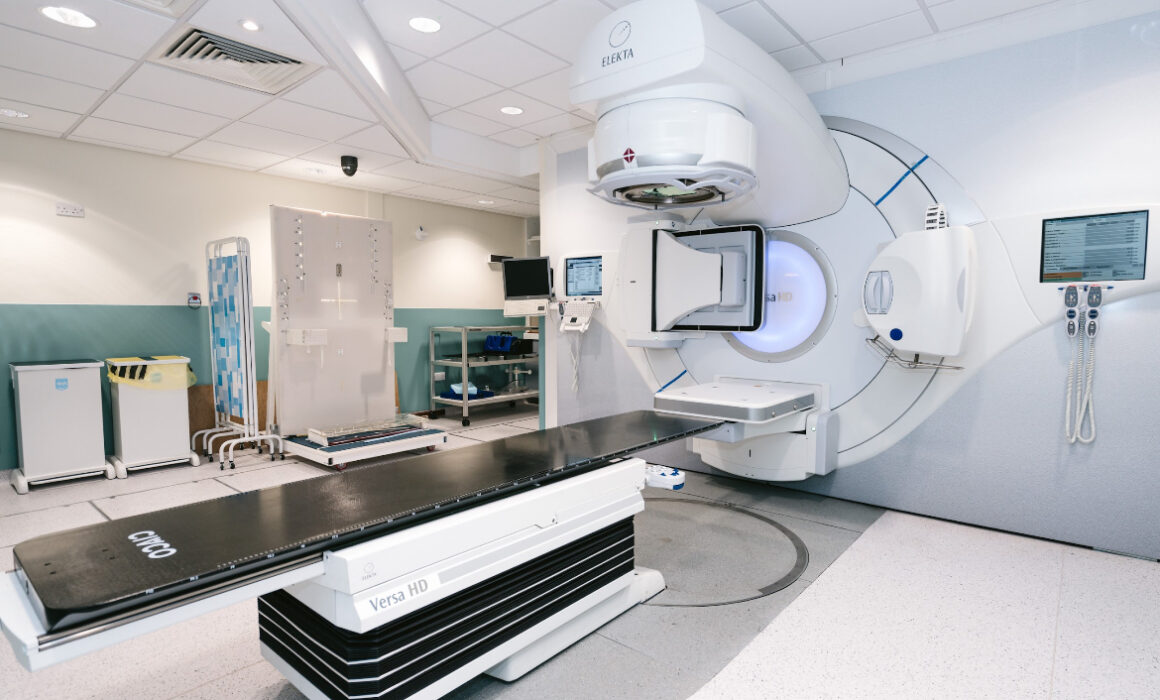
Are you about to embark on Radiotherapy? Want to know what you need to take with you to appointments, how to manage fatigue, and skin reactions and where to go for trustworthy information?
Therapeutic Radiographers Jo McNamara and Naman Julka-Anderson are the hosts of Rad Chat – an oncology focused podcast for both patients and professionals. Here they give you their l7 expert tips for navigating your radiotherapy treatment journey for breast cancer.
Learn this breathing technique
Some patients having radiotherapy to their left side, may be asked to do a specific breathing technique to help minimise the dose to your heart1. This can be a tricky technique to master, so there are resources available to help prepare you prior to treatment, for example, Respire.
Prepare to be tattooed
To align you every day in the correct position, you may be asked to have permanent tattoos. These are tiny pin prick tattoos, typically placed on the left and right side of your rib cage and one centrally. These are used to ensure you are set up in exactly the right position each day for accurate, reproducible treatment.
There is a new emerging technique called surface guided radiotherapy, which uses cameras to match the contour of your body to help get you into the correct position everyday2. Not all departments have the equipment to do tattoo free treatments.
Request your appointments to suit your day

If you are working, have caring responsibilities, or know that you struggle to get going in the mornings then do ask the therapeutic radiographers for appointments to suit your circumstances. We cannot always accommodate your requests, but we will try! The radiotherapy treatment itself is fairly quick and can take as little as 5 minutes and as long as 25 minutes.
Soothe your nerves by bringing music
If you feel anxious during the treatment, why not consider bringing some music to play?
Bring your knitting, book or tablet/phone
Occasionally there may be delays for treatment, or you may be waiting for a specialist for a treatment review, so we advise that you bring something to take your mind off waiting, such as a book, phone/tablet or crochet/knitting pattern.
Pack a drink, a snack and your notes
You may also want to bring a drink, some snacks and any medical information you may need e.g. list of medications or questions you want to ask.
Ask if you can record your consultation
It can also be helpful to record your conversations with your oncologist or therapeutic radiographers if you know you struggle to retain information.
Ask questions if you don’t understand
It can sometimes feel overwhelming with the amount of information you are given but please don’t hesitate to ask staff to clarify anything you are unsure of or have forgotten.
Go online to check out your radiotherapy centre
Many radiotherapy departments will have a designated website and many provide information about what to expect, so please do go on and have a look.

Ask to look at your radiotherapy treatment plan
Although you may not be able to interpret your radiotherapy treatment plan, asking your therapeutic radiographer to go through it with you will show you where the radiation is actually targeting and will highlight where you will get the effects of radiation. Every radiotherapy treatment plan is personalised to you and that is one of the reasons why everyone’s experience of radiotherapy side effects is different.

Coping with a skin reaction
Many patients will experience a radiotherapy skin reaction. This is not a burn, although it can have characteristics which are similar.
Looking after your skin prior to, during and after radiotherapy will help. Severe skin reactions aren’t normally seen due to advancements in radiotherapy treatment techniques. If you do notice a skin reaction, this will only be seen within the area you are being treated3.
For patients with lighter skin tones, you might notice your skin within the treatment field may become pinker, or redder. For patients with brown or black skin you may notice your skin becomes more pigmented, or have a purple, yellow tinge. Speak to the treatment therapeutic radiographers or the treatment review team if you have any concerns or need some advice. Even when you have finished radiotherapy you may go on to experience skin reactions, which is totally normal, please do contact your radiotherapy team if you need advice and support.

This is the latest evidence based skin care guidance created by the Society College of Radiographers.
For images of what skin reactions from radiotherapy may look like, check out the Rad Chat image library.
Managing fatigue from radiotherapy
Radiotherapy causes fatigue. This is not just feeling tired and it may surprise you that doing physical activity will actually help manage fatigue4.
You know your body better than anyone else, so use that knowledge to pick the activity appropriate for you but try to keep active and get out of the house into nature if you can.
It doesn’t have to be a gym session, it could be 30 minutes of vacuuming. It doesn’t have to be a run, it could be a gentle stroll.
Helpful resources are:
- Increasing your physical activity with peer support
- Managing fatigue
- Sleep and mental health
- Sleep Hygiene – NHS advice
- Fatigue
Get help with body confidence
Your body will go through a lot during your cancer treatment. It’s okay to feel differently about your body after this and be reluctant to consider being intimate with a partner. It’s about finding your new normal, finding your comfort zone and loving your body how it is.
- Future Dreams offer a range of workshops on everything from body confidence and looking and feeling good to sex and intimacy, check it out and make a booking.
- If you’re struggling with body confidence there are many feel good workshops you can access through your local department. You can also speak to your local Boots about working with a Boots Macmillan Beauty Advisor.
- Sex and intimacy can be important to people in different ways. It’s about taking things slowly and ensuring you are ready for this post treatment. Sometimes a conversation with our partner is all you need or you can access a psychosexual specialist through your department for professional support. Here is a good example.
- Self-examination after breast cancer is very important as this will help you be more self-aware of your body and any changes. Watch this video for the Future Dreams step by step guide to checking your breasts
Use your Therapeutic Radiographers to support you through treatment
It can be easy to be a passive patient and just follow instructions blindly without asking why or getting more information if you require it. Ask the therapeutic radiographers all the questions. We are experts in radiotherapy and so if you aren’t sure of what to do, or why, please do ask.
Every patient is different, and you may not wish to know what is happening, or you may wish to know everything, we will be governed by you. We are here to support you through your radiotherapy treatment and beyond.
Within your radiotherapy department you will meet a wide range of therapeutic radiographers: for your initial appointment you might meet a consultant therapeutic radiographer who may consent you for treatment, a pre-treatment therapeutic radiographer who will help take your CT (planning) scan and may give you permanent tattoos if you need them. A dosimetrist or medical physicist will design your personalised radiotherapy treatment plan, and a treatment therapeutic radiographer who will deliver your treatment and answer any questions you have. You may also have a treatment review therapeutic radiographer who will be checking in on you during and after your radiotherapy. If you don’t know who someone is, or what their role within your treatment pathway is, please ask them.
Get your online information from reputable sources
It is fantastic to see so many cancer patient resources available now, as well as patient advocates sharing their experiences on social media and on blog pages. Please be aware that everyone’s experience of cancer and treatment is personal to them and so when you’re accessing information it’s important that it’s from a reliable evidence-based source. Always look at people’s qualifications, consider the medical evidence supporting the advice and stick to UK based information, as cancer treatment and specifically radiation treatments vary significantly across the globe.
Our go to resources are:
- The Royal College of Radiologists
- Macmillan Cancer Support
- Breast Cancer Now
- Breast Cancer Advice – NHS
- Rad Chat
Don’t compare your radiotherapy regime to others.
Your oncologist, or consultant therapeutic radiographer will prescribe the best radiotherapy dose and fractionation for you.
Some patients may just receive five treatments and others may receive many more, this is dependent on lots of factors and the department’s radiotherapy protocol. You may wish to read about the different dose and fractionation regimes available from the Royal College of Radiologists here.
Ask for clarification when being consented for radiotherapy
During your consent for radiotherapy5, you will have to sign a consent form. This consent form contains all the side effects you may experience, along with the statistical data as to the likelihood of developing each side effect. Here is a link to the breast cancer radiotherapy consent forms developed by the Royal College of Radiologists which are used nationally by many oncologists in the UK.
Please be aware that when radiotherapy is given, it damages the DNA of cancer cells so they can no longer grow. Healthy cells can usually repair themselves, but some repairs are not perfect. Over time, this can lead to gradual changes in the structure or function of the treated area.
Radiotherapy can cause very slow-developing changes in blood vessels, connective tissue and nerves. These tissues heal and respond much more gradually, which is why some side effects do not appear until a long after treatment has finished.
About the authors
Jo McNamara and Naman Julka-Anderson are the hosts of Rad Chat – an oncology focused podcast for both patients and professionals. They are both Therapeutic Radiographers; Jo is an academic involved in the training and education of healthcare professionals in oncology, and Naman works as a Macmillan Treatment Review Radiographer in the NHS. Together they have compiled their top tips for breast cancer patients having radiotherapy using their combined 25 years’ worth of experience. Rad Chat always advises patients to talk to their oncologist and therapeutic radiographers about their individual radiotherapy treatment.
Further information
References
- https://www.rcr.ac.uk/sites/default/files/breast-cancer-treatment-covid19.pdf ↩︎
- On target 2: updated guidance for image-guided radiotherapy | The Royal College of Radiologists (rcr.ac.uk) ↩︎
- https://www.sor.org/getmedia/6cc80174-4478-4cd2-b501-35b41aae820d/2020_version_4_final_practice_guideline_radiotherapy_skin_care_llv1.pdf_2#:~:text=Radiation%20may%20cause%20chronic%20late,the%20scope%20of%20this%20document. ↩︎
- https://www.ncbi.nlm.nih.gov/pmc/articles/PMC5891725/ ↩︎
- https://www.thelancet.com/journals/lancet/article/PIIS0140-6736(20)30932-6/fulltext ↩︎
Share

SUPPORT RESEARCH EDUCATION
Donate to those touched by breast cancer
Sylvie and Danielle began Future Dreams with just £100 in 2008. They believed nobody should face breast cancer alone. Their legacy lives on in Future Dreams. We couldn’t continue to fund support services for those touched by breast cancer, raise awareness of breast cancer and promote early diagnosis and advance research into secondary breast cancer without your help. Please consider partnering with us or making a donation.