


Future Dreams Lead Clinical Nurse Specialist Jackie Wright answers your questions about cording, a complication of lymph node surgery
Q: What is cording?
Its medical name is axillary web syndrome (the axilla is the name for your armpit).
It’s a cord-like structure that can form after removal of lymph nodes, small glands in the lymphatic system which can act as filters for harmful substances such as bacteria, viruses, and cancer cells. These are found throughout the body including the armpit, neck, and groin. In breast cancer the first place cancerous cells are likely to spread to is the lymph nodes in the armpit.
Cording may start within a few days, weeks, or months of lymph node surgery, it can be one thin cord or a thick web of multiple cords. You may be able to see and feel it under the skin, down the inside of your arm, as far as the wrist i.
Cording can be associated with pain and restricted shoulder movement and a tightness in the underside of your arm.
Q: Who gets it?
‘Medical professionals don’t fully understand why cording develops,’ explains Jackie. ‘It’s thought to be inflammation of the lymphatic vessels around where people have had lymph node surgery, (either for a sentinel node biopsy (a surgical procedure to see if cancer has spread from your breast to lymph nodes in your armpit), or an axillary node clearance, (surgery to remove your lymph nodes.)
‘Cording may affect the full length of your arm from your wrist or elbow to your armpit and out the other side. This can cause a sharp stabbing pain in your armpit ii particularly when trying to reach up above your head.’
Q: How common is it?
Estimates vary on this; one small study found a 20 per cent incidence of cording in patients who underwent sentinel node biopsy and 72 per cent amongst those who had axillary clearance. iii
‘However, this was a small study, and others have found a much lower risk of developing cording of just six per cent, iv so it’s by no means inevitable,’ says Jackie.
Q: What does it look and feel like?
Those affected describe a rope-like structure that they can see or feel under the skin in the underside of their arm. Sometimes they are single cords, or there can be multiple cords that clump together.
‘It does vary,’ says Jackie. ‘Some people can’t see the cord, but they can feel them restricting their arm movement when they raise their arms above their head.’
Q: What does it look and feel like?
‘It does vary,’ says Jackie. ‘Some people can’t see the cord, but they can feel them restricting their arm movement when they raise their arms above their head.’
Q: Is it usually temporary?
‘Cording doesn’t usually go away on its own though without some sort of intervention such as specialist physiotherapy and if untreated may lead to long term discomfort or pain, and restricted movement v . This is why you shouldn’t suffer in silence if you’re affected and should mention it to your breast care team so they can get the right help for you,’ says Jackie.
‘This is also important if you are having radiotherapy as you will need to be able to lift your arms above your head. So be sure to mention any pain or restriction of movement you are feeling.’
A small Canadian study vi found that symptoms resolved within a year.
Q: What sort of impact can it have?
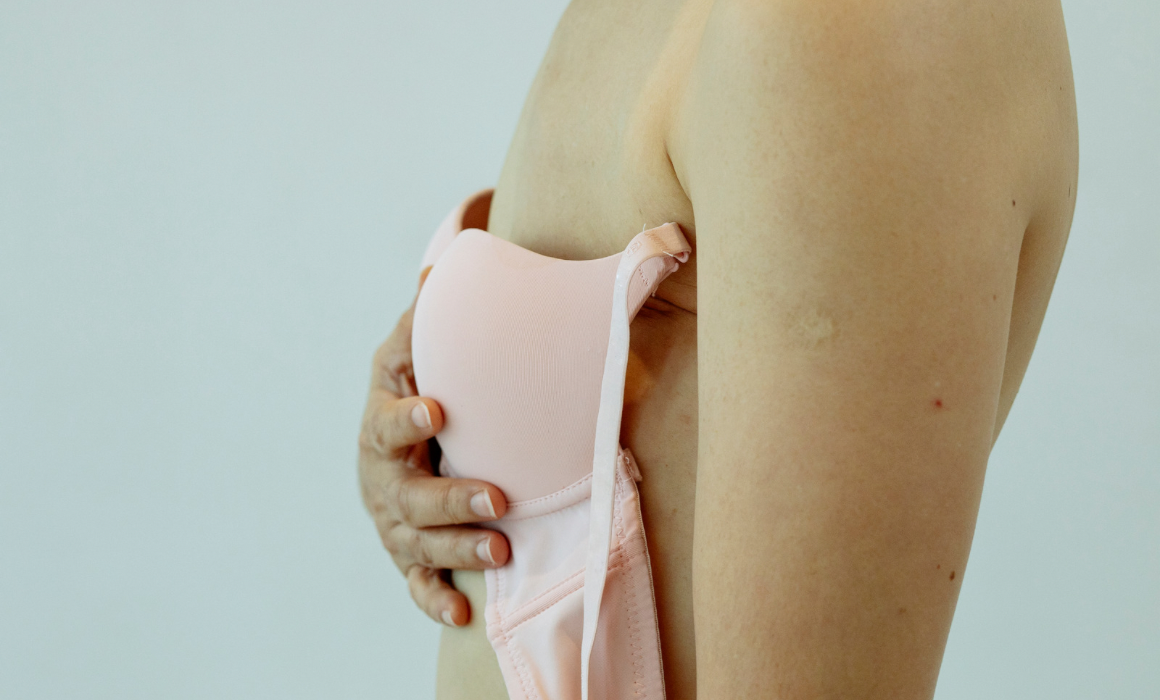
‘It might sound trivial, but cording can be painful and restrict movement in your shoulder and arm and stop you doing a lot of everyday things like fastening your bra, or hanging out the washing,’ says Jackie.
Q: What treatment is available for cording?
Movement helps restore flexibility and prevent long term stiffness.
‘You can be referred to a physiotherapist and learn exercises and massage techniques to gently stretch the cords and improve movement, vii‘ says Jackie.
Exercise may be uncomfortable at first, but it’s important to listen to your body and listen to your physiotherapist viii. Other tips recommended by MacMillan include massaging the area and applying a heat pad for short periods. ‘Swimming can help restore movement ix but you can only go swimming once you are completely healed from your surgery. If you have had breast reconstruction, this could be a good few months post-surgery, ‘adds Jackie.
Q: Any myths about cording?
Cording does not increase your risk of developing lymphoedema . It is also sometimes confused with scar tissue around the surgical site, but it extends further down the lymphatic vessel in the arm.
Further information
Future Dreams hold a range of support groups, classes, workshops and events to help you and your carers during your breast cancer diagnosis. These are held both online and in person at the London-based Future Dreams House. To see what’s on offer and to book your place, see here.
To return to the homepage of our Information Hub, click here where you can access more helpful information, practical advice, personal stories and more.
The information and content provided in all guest articles is intended for information and educational purposes only and is not intended to substitute for professional medical advice. It is important that all personalised care decisions should be made by your medical team. Please contact your medical team for advice on anything covered in this article and/or in relation to your personal situation. Please note that unless otherwise stated, Future Dreams has no affiliation to the guest author of this article and he/she/they have not been paid to write this article. There may be alternative options/products/information available which we encourage you to research when making decisions about treatment and support. The content of this article was created by Dr Tasha Gandamihardja, an oncoplastic breast surgeon and podcaster and we accept no responsibility for the accuracy or otherwise of the contents of this article.
Share


SUPPORT RESEARCH EDUCATION
Donate to those touched by breast cancer
Sylvie and Danielle began Future Dreams with just £100 in 2008. They believed nobody should face breast cancer alone. Their legacy lives on in Future Dreams. We couldn’t continue to fund support services for those touched by breast cancer, raise awareness of breast cancer and promote early diagnosis and advance research into secondary breast cancer without your help. Please consider partnering with us or making a donation.